
Aging-In-Place Remodeling in Charlotte, NC
Charlotte Home Accessibility introduces homeowners to independent providers for aging-in-place remodeling, stair lifts, ramps and bathroom improvements, helping families explore a more workable home.
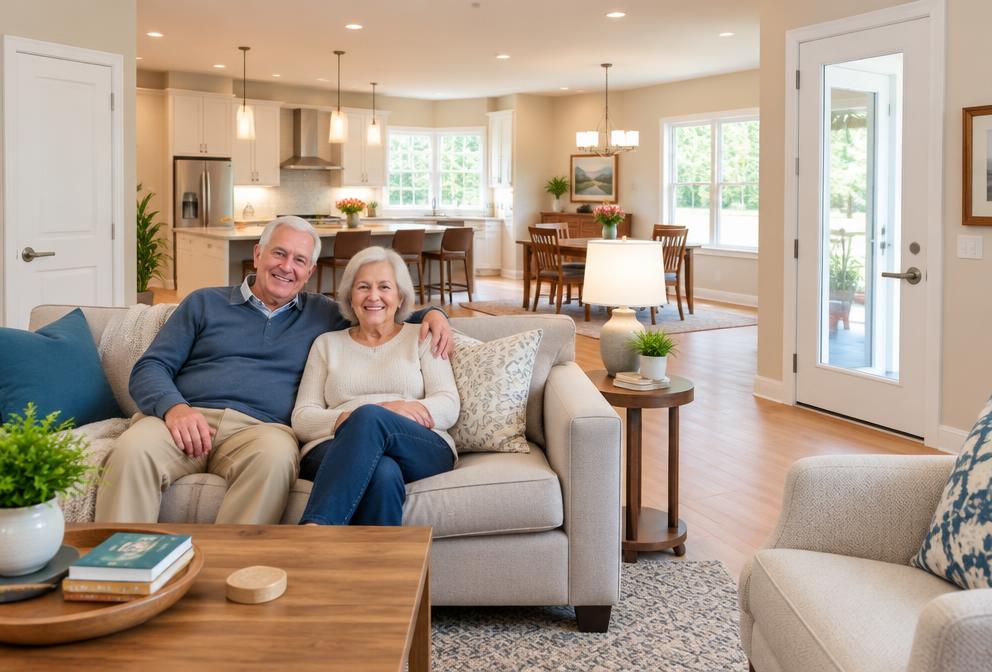
Staying at home comfortably is often a matter of removing small obstacles before they become exhausting. A dim hallway, hard-to-turn faucet or laundry room down a flight of stairs can shape an entire day. Aging-in-place remodeling looks at these tasks together and prioritizes changes that support the resident’s routines, preferences and available help.
Charlotte Home Accessibility serves as a referral network connecting families with independent local providers. It does not act as the remodeling contractor or make clinical recommendations. A useful starting point is a conversation about what is becoming difficult, which rooms matter most and whether a phased plan would be easier to manage than a larger renovation.
Follow the daily route from bedroom to front door
Walk through getting up, preparing breakfast, bathing and leaving the house. Watch for repeated turns, abrupt floor changes and places where someone reaches for furniture to steady themselves. Universal design favors spaces that work for a broad range of abilities, but the best priorities still come from the people using this particular home.
Look beyond the obvious staircase
An entry landing without room to set down groceries or a bathroom switch behind the door can be a daily burden. Better lighting, reachable storage and easier hardware may complement larger structural work. These modest adjustments should be coordinated so one fix does not create another obstruction.
Make Charlotte floor plans work in stages
Many 1960s–80s ranch homes offer a useful single-level footprint but have narrow halls and compact baths. Split-level homes pose a different challenge because essential rooms may sit a few steps apart. A provider can compare adapting an existing route with relocating a function, such as laundry or a sleeping area, to a more accessible level.
Prepare now for a later change
Adding wall blocking during an open-wall renovation can make future grab-bar installation easier. Reserving an electrical pathway or avoiding fixed cabinets in a potential transfer area can also preserve options. Future-ready work should be documented with measurements and photographs so the next provider knows what is actually present.
Build a practical team around the household
CAPS-certified remodelers are professionals who have completed Certified Aging-in-Place Specialist training; the designation can be one topic to ask about when comparing providers. It is not a substitute for verifying relevant experience, insurance and any credentials required for the work. An occupational therapist may contribute a separate functional assessment.
The NC Residential Code and local permit rules still apply to covered construction. Accessibility standards can provide helpful references without making every private-home project subject to identical rules. Request clear explanations of tradeoffs, especially if a room cannot accommodate ideal turning or transfer space without a major addition.
How a aging-in-place remodeling project typically goes
- Set household priorities. Identify the activities that create fatigue or worry and what the resident most wants to keep doing independently. Include caregiver needs without losing the homeowner’s preferences.
- Review the home as a connected route. An independent provider examines entrances, circulation, bathroom access and key work areas. Share mobility equipment dimensions and relevant professional recommendations during the visit.
- Create a phased scope. Separate immediate improvements from later possibilities. Ask for a written sequence that avoids redoing finished work and clarifies which upgrades depend on structural or electrical preparation.
- Plan around occupancy. Discuss noise, dust barriers, temporary sleeping arrangements and access to a working toilet. A realistic construction schedule should account for the household’s daily care requirements.
- Revisit the results. After using the changes, note any remaining difficult reaches or routes. Keep product instructions and project records together for maintenance and future modifications.
Materials, durability & upkeep
Easy-operation hardware
Lever handles and comfortable cabinet pulls can reduce gripping demands. Try samples where possible because hand strength, reach and personal preference vary.
Consistent walking surfaces
Durable flooring with manageable transitions supports predictable movement. Consider wheel traffic, cleaning needs and glare rather than selecting by appearance alone.
Layered, low-glare lighting
Combine general illumination with task and nighttime lighting. Diffusers, sensible switch locations and contrast at changes in level can improve visibility without harsh reflections.
Aging-In-Place Remodeling questions
Do I need to remodel everything at once?
No. A coordinated plan can begin with one troublesome route or task. Phasing works best when early choices leave room for likely future equipment and layout changes.
Is aging-in-place design only for wheelchair users?
It can also address balance, limited reach, reduced vision, hand discomfort or caregiver assistance. The design should respond to actual needs rather than assuming a particular disability.
Can a family member help with planning remotely?
Ask the provider whether measured drawings, photographs or a video discussion can support that involvement. The resident’s consent and firsthand feedback should remain central to decisions.
Not sure this is the right fit? Call us or send the form below and describe the situation — we’ll point you to the right kind of provider. Requests come in from across the metro, including Ballantyne, NC, Charlotte, NC, Concord, NC, Cornelius, NC, Fort Mill, SC and more.