
Non-Slip Flooring Installation in Charlotte, NC
Charlotte Home Accessibility links families with independent local providers for flooring improvements, accessible showers, ramps and wider doorways, with a closer look here at traction underfoot.
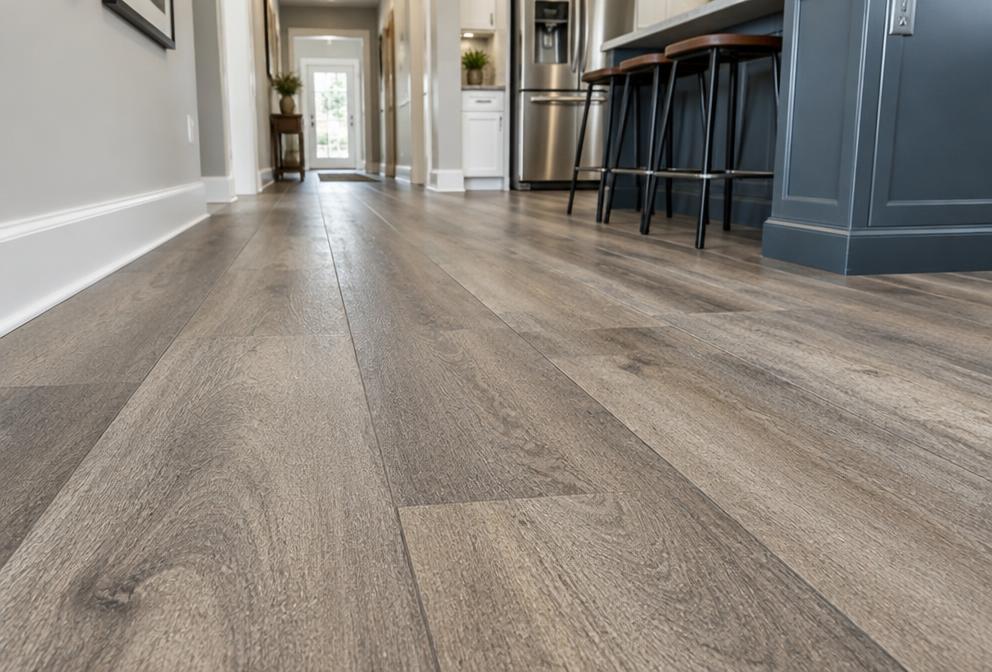
A floor should feel predictable when someone walks, pivots or rolls across it. Flooring marketed as non-slip is not a guarantee against falls: water, dust, cleaning residue, footwear and installation all affect traction. The goal is to choose a surface suited to the room while avoiding new problems such as difficult wheelchair movement or raised transitions.
Charlotte Home Accessibility can connect homeowners with independent flooring and accessibility providers to compare options. The network does not install materials or certify a floor’s safety. Bring up the situations that concern you most, whether that is rain tracked through the back door, a slick kitchen or a caregiver pushing equipment between rooms.
Understand what a slip-resistance number describes
For certain level interior hard surfaces expected to be walked on when wet, a wet DCOF of at least 0.42 is a commonly referenced selection criterion. It is not a universal safety threshold, a shower-floor approval or a promise that nobody will slip. Ask which test method, intended use and manufacturer guidance support a proposed product.
Texture must suit the person and the task
An aggressive surface can improve traction in one setting yet make turning a walker or cleaning spills harder. Compare physical samples and discuss rolling resistance with the actual wheelchair when practical. Gloss level and pattern also matter because strong reflections or busy designs can make surface changes difficult to judge.
Compare resilient floors with textured tile
Luxury vinyl plank can offer a relatively forgiving surface and many finish options, but traction varies by product and finish. Rubber flooring may provide useful resilience and grip, while some wheelchairs or equipment can leave marks. Slip-resistant porcelain can be durable in wet areas when the tile, layout and installation suit that application.
Do not overlook seams and edges
A well-chosen material can still perform poorly if seams curl or transitions stand proud. Review finished floor heights at doorways and adjoining rooms. Low-profile, securely fixed transitions should support smooth passage without hiding an uneven substrate or an installation defect.
Address moisture beneath and above the finish
Charlotte’s humid summers make moisture assessment important, but indoor conditions and the floor assembly matter more than the season alone. Slab moisture or dampness below a crawl-space floor can affect adhesives and dimensional stability. Follow the selected product’s testing, preparation and environmental requirements before installation.
Everyday maintenance is part of traction. Soap residue, oily cleaners and leftover polish can change how a surface behaves. Ask for a written cleaning routine and avoid applying an aftermarket coating unless the flooring manufacturer confirms compatibility. At entrances, stable matting should collect moisture without curling into the travel path.
How a non-slip flooring project typically goes
- Identify slippery situations. Describe where slips or near-slips occur, what is usually on the floor and which mobility aids are used. Distinguish a wet-area problem from loose rugs or uneven transitions.
- Inspect the existing assembly. The independent installer checks flatness, attachment, moisture and adjacent floor heights. Ask how concealed damage or unsuitable old flooring would be handled if discovered.
- Compare documented products. Review intended-use guidance, traction information, wear characteristics and cleaning instructions. Use samples to assess glare and texture rather than relying only on showroom labels.
- Confirm preparation and handover. Agree on substrate repairs, adhesive cure time and when equipment can return. Inspect seams and transitions, then keep the approved maintenance instructions with the product information.
Materials, durability & upkeep
Luxury vinyl plank systems
Choose a product rated for the room and expected traffic. Water-resistant planks do not eliminate the need to manage moisture below them or promptly clean standing water.
Rubber sheet or tile
Rubber options differ in texture, seam design and chemical resistance. Confirm suitability for rolling loads and the cleaning products used in the household.
Slip-resistant porcelain
Select tile documented for the intended location and pair it with appropriate grout and setting materials. Surface texture should remain practical to clean as the household’s needs change.
Compatible transition profiles
Secure, gently shaped edges help bridge changes in material. Choose profiles that suit both floor thicknesses and resist loosening under repeated wheel traffic.
Non-Slip Flooring questions
Can an anti-slip treatment replace new flooring?
It may be an option for some surfaces, but compatibility and results vary. Ask about testing, appearance changes, maintenance and warranty effects before treating the entire room.
Is rougher flooring always better?
No. Excessive texture can trap dirt or make equipment harder to move. Selection should balance tested traction, cleaning demands, comfort and the specific room conditions.
Should loose rugs stay after the floor is replaced?
Review each rug as part of the route. A rug that slides, bunches or catches wheels can undermine the benefit of new flooring even when the underlying surface is well selected.
Not sure this is the right fit? Call us or send the form below and describe the situation — we’ll point you to the right kind of provider. Requests come in from across the metro, including Ballantyne, NC, Charlotte, NC, Concord, NC, Cornelius, NC, Fort Mill, SC and more.